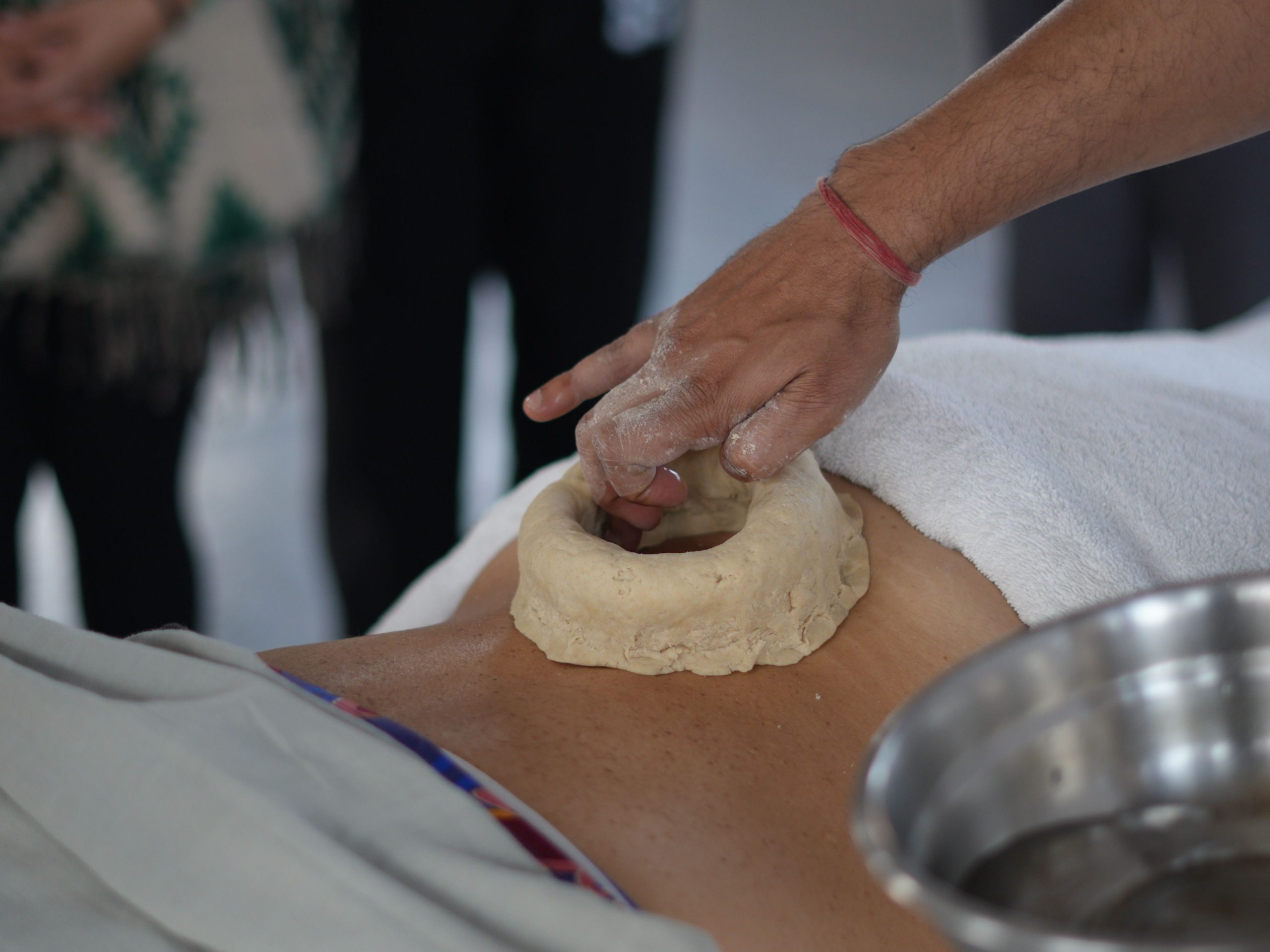
An Ayurvedic consultation is an important first step when considering a structured wellness programme in Rishikesh. It allows the practitioner to understand your health history, daily routine, food habits, sleep, stress levels and wellness goals before recommending a programme.
The exact consultation process differs between Ayurveda centres and retreats. However, knowing what information may be discussed can help you arrive prepared and make better-informed decisions about your stay.
Why Is the Initial Consultation Important?
Ayurveda programmes should not be selected only from a treatment menu. Two people interested in relaxation, detoxification or rejuvenation may receive different recommendations based on their individual circumstances.
During the initial consultation, the practitioner may try to understand:
- Your main wellness concerns
- Current health conditions
- Previous diagnoses or procedures
- Medicines and supplements
- Known allergies
- Digestion and appetite
- Sleep patterns
- Energy levels
- Daily routine
- Exercise habits
- Stress and emotional wellbeing
- Previous experience with Ayurveda
This information can help the team decide whether the programme you are considering is suitable and what level of professional supervision may be required.
What Should You Bring to the Consultation?
Prepare relevant information before travelling. This is especially important for guests considering longer or more structured programmes.
Bring:
- A list of current medicines
- Copies of prescriptions
- Relevant medical reports
- Information about allergies
- Details of previous procedures
- Your doctor’s recommendations, when applicable
- Emergency contact information
- Travel or health-insurance details
Keep prescribed medicines in their original packaging. Do not stop or change medication unless advised by the qualified healthcare professional responsible for your medical care.
International travellers may find it useful to keep both printed and digital copies of important documents.
Questions About Your Daily Routine
An Ayurvedic consultation may include detailed questions about habits that are not always discussed during a typical spa appointment.
The practitioner may ask about:
- The time you wake up and go to sleep
- The quality and regularity of your sleep
- Meal timings
- Foods you commonly eat
- Caffeine or alcohol consumption
- Work schedule
- Physical activity
- Recent travel
- Stressful situations
- Digestive regularity
- Changes in appetite or energy
Answer as accurately as possible. The purpose is to understand your routine rather than judge your lifestyle.
Individual Ayurvedic Assessment
Some practitioners may discuss Ayurvedic concepts such as prakriti and vikriti. Prakriti generally refers to an individual’s natural constitution, while vikriti refers to the current state of balance or imbalance as understood within Ayurveda.
The assessment method may include questions and traditional observations. Practices differ between centres, and an Ayurvedic assessment should not be confused with conventional medical diagnosis or laboratory testing.
Ask the practitioner to explain any unfamiliar terms and how the assessment relates to the recommended programme.
Discussing Your Wellness Goals
Be clear about what you hope to achieve during the stay. Possible goals may include:
- General relaxation
- Rejuvenation
- Establishing a healthier routine
- Yoga and meditation
- Stress-management support
- Weight-management support
- Detoxification
- Learning about Ayurveda
- A professionally supervised Panchakarma programme
Avoid expecting guaranteed results. A responsible centre should explain the purpose, structure and limitations of the programme without making unrealistic promises.
How a Programme May Be Planned
After the assessment, the practitioner may recommend a combination of therapies, meals, daily routines, rest periods, yoga or meditation.
The plan may specify:
- Recommended duration
- Scheduled therapies
- Daily or weekly frequency
- Meal guidance
- Activities to limit or avoid
- Yoga and meditation sessions
- Rest periods
- Follow-up consultations
- Adjustments during the stay
Not every guest requires the same therapies. Intensive procedures should only be considered when appropriate and professionally recommended.
Questions You Should Ask the Practitioner
Use the consultation to understand the complete programme. Helpful questions include:
- What is the purpose of the recommended programme?
- Why is this duration suggested?
- Which therapies may be included?
- Are there reasons a therapy may not be suitable for me?
- How often will follow-up consultations occur?
- Can the programme change during the stay?
- What meals are included?
- Can my dietary requirements be accommodated?
- What should I do with my prescribed medicines?
- Who should I contact if I feel uncomfortable?
- Are qualified professionals available throughout the programme?
- What results should I realistically expect?
Ask for explanations in clear language before agreeing to any procedure.
Follow-Up Consultations During the Stay
A structured programme may include follow-up meetings. These allow the practitioner to discuss how you are responding and whether the schedule should be adjusted.
Tell the wellness team promptly if you experience discomfort, unusual symptoms or concerns. Do not assume that discomfort is automatically a normal part of a wellness programme.
Follow-up consultations can also provide an opportunity to discuss sleep, appetite, energy levels and the practicality of the daily routine.
Programme Duration and Accommodation
The consultation may influence the recommended length of stay. A short relaxation break has different requirements from a longer Ayurveda or Panchakarma programme.
Before confirming, check whether the quoted duration includes arrival and departure days. Also ask whether accommodation, meals, consultations, therapies and transfers are included in the package price.
Travellers can compare available Ayurvedic treatments in Rishikesh according to their wellness interests, preferred dates, accommodation needs and professionally recommended programme duration.
Red Flags to Avoid
Be cautious if a centre:
- Guarantees a cure
- Recommends intensive procedures without assessment
- Asks you to stop prescribed medication without appropriate medical authority
- Refuses to explain therapies
- Provides no information about professional qualifications
- Pressures you to purchase unnecessary products
- Cannot explain what is included in the price
- Dismisses questions about safety or suitability
Clear communication and realistic expectations are important when selecting a wellness programme.
After the Programme
Before leaving, ask whether you will receive practical guidance for returning home. This may cover meals, sleep, exercise, yoga, stress management or follow-up communication.
The recommendations should be realistic for your normal lifestyle. If advice conflicts with an existing medical plan, discuss it with the qualified healthcare professional managing your care.
Frequently Asked Questions
Is an Ayurvedic consultation required before therapies?
Many structured programmes begin with a consultation so that the team can understand the guest’s needs and consider suitable options. Practices vary between centres.
Can I select Panchakarma before arriving?
You may express interest, but the appropriateness, structure and duration should be considered after an individual professional assessment.
Should I bring my medical reports?
Bring relevant recent reports, prescriptions and a list of medicines, especially when considering a longer or condition-focused programme.
Can an Ayurvedic consultation replace a medical diagnosis?
No. An Ayurvedic consultation should not replace conventional medical assessment, diagnosis or emergency care.
Can the programme change after it begins?
A professionally supervised programme may be adjusted according to follow-up discussions and how the guest responds.
This article provides general information and is not medical advice. Consult an appropriately qualified healthcare professional regarding symptoms, diagnoses, medicines or treatment decisions.