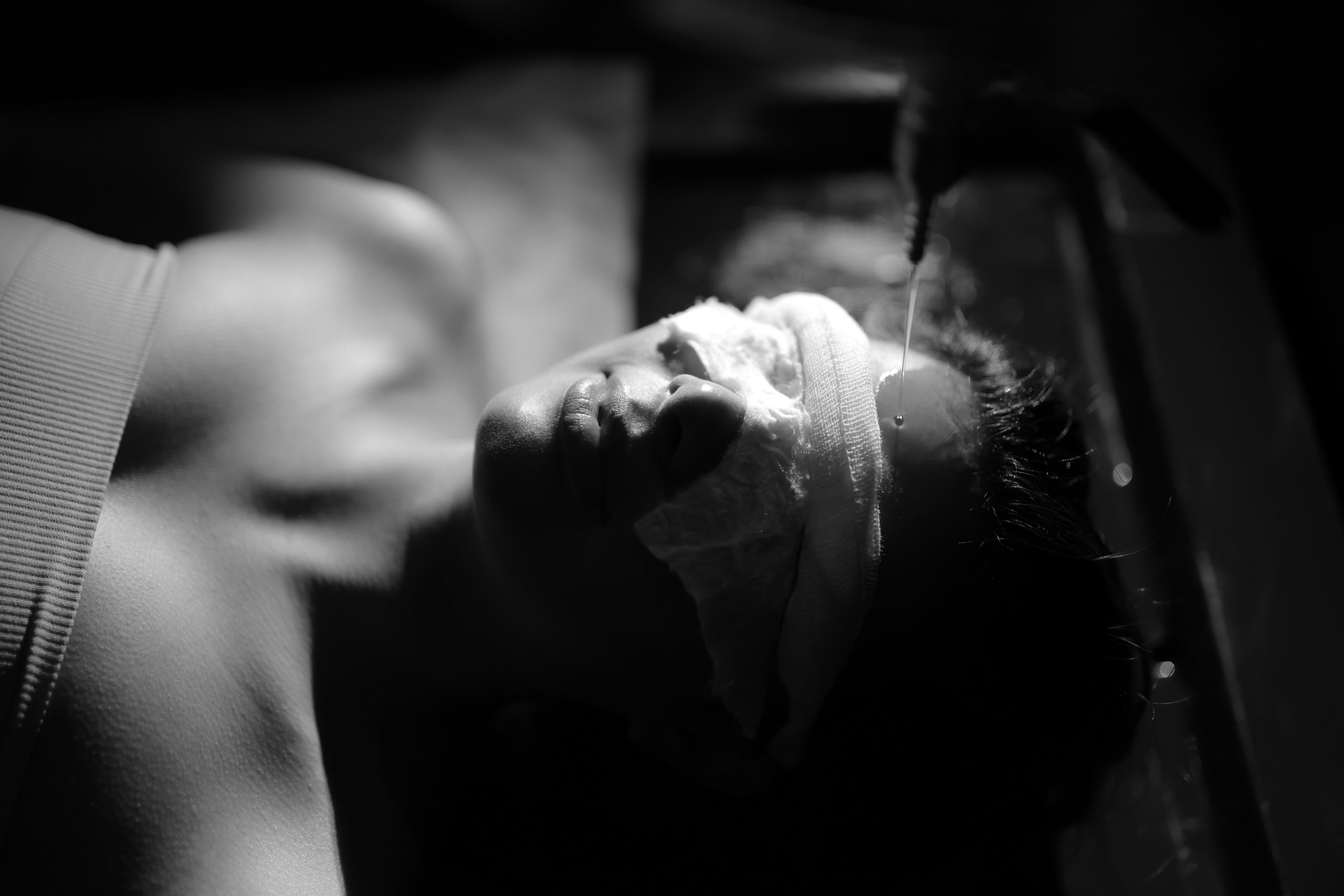
Preparing properly for a Panchakarma retreat can make your stay more comfortable and help you follow the recommended daily routine. Unlike an ordinary wellness holiday, Panchakarma may involve consultation, preparatory practices, personalized therapies, simple meals, rest and a carefully managed period after the main procedures.
Rishikesh offers a peaceful environment for an Ayurveda programme, but the destination alone does not determine the quality or suitability of the experience. Your preparation should begin before booking and continue after you return home.
This guide explains the practical questions to address before travelling for Panchakarma in Rishikesh.
Understand Why You Want to Attend
Begin by identifying your main reason for considering Panchakarma. Some guests are interested in relaxation and a structured wellness routine, while others want to explore traditional Ayurveda, improve lifestyle habits or take a restorative break from work.
Your goals will influence the duration and type of programme recommended. Be clear about what you expect, but remain open to professional guidance after consultation.
Panchakarma should not be viewed as a guaranteed cure for a medical condition. If you have health concerns, discuss them with your regular healthcare provider and the Ayurveda practitioner before travelling.
Arrange a Pre-Arrival Consultation
Whenever possible, speak with the Ayurveda centre before confirming your programme. A pre-arrival discussion helps the provider understand your health history and determine whether the proposed stay is appropriate.
Be prepared to share information about:
- Existing health conditions
- Prescription medicines
- Supplements or herbal products
- Previous operations or injuries
- Allergies and food sensitivities
- Blood pressure or blood-sugar concerns
- Pregnancy or plans for pregnancy
- Sleep, digestion and energy levels
- Previous Ayurveda or Panchakarma experience
Do not hide medical information because you are concerned that a therapy may be refused. Accurate information is essential for safe and responsible planning.
Do Not Stop Prescribed Medicines
Travellers sometimes believe that they must stop conventional medicines before beginning Ayurveda. This should never be done without approval from the licensed medical professional managing the condition.
Bring enough medicine for the complete trip, along with a prescription or supporting documentation where required. Keep important medicine in your hand luggage rather than checked baggage.
Create a written list containing the medicine name, dosage and reason for taking it. Share this with the practitioner during your consultation.
Choose a Realistic Programme Duration
Panchakarma programmes in Rishikesh may be available for 7, 14, 21 or 28 days. The appropriate duration depends on professional assessment, your goals, available time and the type of programme being considered.
A shorter stay may introduce you to an Ayurvedic routine and selected therapies. Longer stays can provide more time for preparation, supervised procedures and gradual recovery.
Avoid choosing a seven-day programme with the expectation that every classical Panchakarma procedure will be completed. The practitioner should decide which therapies are suitable and whether there is enough time to conduct them responsibly.
For programme durations, inclusions and accommodation information, review the available options for Panchakarma treatment in Rishikesh.
Allow Time Before and After the Retreat
Whenever possible, do not arrive immediately after a long international flight and begin an intensive schedule the same day. Allow time to rest, adjust to the local climate and recover from travel.
Similarly, avoid booking a demanding trek, rafting trip or packed sightseeing schedule immediately after completing the programme. A quieter transition can make it easier to maintain the food and lifestyle guidance provided during the retreat.
If your flight schedule is fixed, share the arrival and departure times with the centre before confirming the booking.
Ask What the Package Includes
A low advertised price may not include every part of the stay. Request a written quotation and verify whether it covers:
- Initial Ayurvedic consultation
- Follow-up consultations
- Daily prescribed therapies
- Herbal oils and preparations
- Accommodation
- Ayurveda-focused meals
- Yoga or meditation sessions
- Taxes
- Airport or railway transfers
- Additional tests, if required
- Post-programme guidance
Also ask which services may result in an additional charge. Comparing complete inclusions is more useful than comparing only the starting price.
Follow Pre-Arrival Guidance Carefully
Some centres may provide dietary or lifestyle guidance before arrival. This could involve simplifying meals, reducing alcohol, improving sleep or avoiding very heavy foods.
Follow only the instructions provided specifically for you. Do not begin fasting, strong herbal products, laxatives or home cleansing procedures based on general online advice.
If the instructions are unclear or cause discomfort, contact the practitioner rather than continuing without guidance.
What to Pack for Panchakarma
Comfort should be the priority when packing for an Ayurveda retreat. Useful items may include:
- Loose, modest and comfortable clothing
- Simple clothes that can tolerate contact with herbal oils
- Comfortable footwear
- Personal medicines and prescriptions
- Copies of relevant medical reports
- Reusable water bottle
- Sun protection
- Light layers for cooler mornings
- Personal toiletries
- Notebook for recording guidance
- Travel insurance information
Avoid bringing only expensive or delicate clothing because herbal oils may leave stains. Ask whether the retreat provides disposable garments, robes, towels and laundry service.
Plan for Rishikesh Weather
Rishikesh experiences seasonal changes, and packing requirements vary throughout the year. Summers can be warm, the monsoon period may bring heavy rain and winter mornings can feel cool.
Check the weather shortly before travelling and ask the retreat whether therapy rooms and accommodation have suitable cooling or heating. During the rainy season, waterproof footwear and a light rain jacket may be useful.
Keep Your Schedule Light
Rest is often an important part of a Panchakarma routine. Try not to conduct business meetings, work late at night or spend the entire day using digital devices.
A quieter schedule gives you more time to follow meals, therapies and rest periods without unnecessary pressure. If you must work during the retreat, inform the centre before booking so that you can determine whether the programme remains practical.
Prepare for Simple Meals
Food during a Panchakarma programme may be simpler than the restaurant meals a traveller would normally expect. The menu may be adjusted according to the programme and practitioner’s recommendations.
Before arriving, inform the centre about genuine allergies, religious dietary requirements or medically necessary restrictions. Avoid demanding an extensive restaurant-style menu, because the meals are usually designed to complement the daily routine.
Do not bring alcohol or unsuitable snacks without discussing them with the centre.
Ask About Therapy Privacy and Comfort
Before booking, confirm whether male and female therapists are available and whether you can state a preference. Ask about treatment-room privacy, hygiene procedures and the clothing used during therapies.
You should feel comfortable asking questions before any procedure. A responsible provider should explain what will happen, why it has been recommended and whether alternatives are available.
Prepare Mentally for a Structured Routine
Panchakarma can involve changes to your normal sleeping, eating and activity patterns. Some guests find a structured daily schedule relaxing, while others initially need time to adjust.
Approach the experience patiently. Do not compare your treatment plan with another guest’s programme, as recommendations may differ according to individual assessment.
Inform the practitioner promptly if you feel unwell or uncomfortable. Do not assume that every difficult reaction is a necessary part of the process.
Plan Your Recovery at Home
The period after the programme deserves the same attention as the stay itself. Ask for clear instructions regarding meals, exercise, travel, sleep and the gradual return to your normal routine.
Before leaving, confirm:
- Which foods should be continued or avoided
- When regular exercise can resume
- Whether herbal preparations should continue
- Whom to contact if you have concerns
- Whether an online follow-up is available
- How quickly you can return to demanding work or travel
Keep the first few days after returning home relatively calm whenever possible.
Final Preparation Checklist
Before travelling, make sure you have:
- Completed a pre-arrival discussion
- Shared accurate health and medicine information
- Confirmed the programme duration
- Received written inclusions and pricing
- Checked the cancellation policy
- Arranged suitable transport
- Packed comfortable clothing
- Allowed time for rest and recovery
- Informed the centre about dietary requirements
- Kept realistic expectations about the programme
Final Thoughts
Good preparation can help you choose a responsible programme and arrive in Rishikesh ready for a structured wellness stay. The most important steps are providing complete health information, choosing a realistic duration, understanding the package inclusions and allowing sufficient time for rest.
The programme should always be adapted to the individual after professional consultation. Avoid centres that promise guaranteed cures, recommend stopping prescribed medicines without appropriate medical involvement or offer the same intensive schedule to every guest.
Health disclaimer: This article is intended for general travel and wellness information only. It is not medical advice and should not replace consultation, diagnosis or treatment from a licensed healthcare professional. Panchakarma may not be suitable for everyone, including some people with medical conditions or during pregnancy.